
-

Topsoil is one of the most valuable resources on a construction site, and one of the most frequently mismanaged. Strip it carelessly, stockpile it badly, or let it mix with fill material, and you’ve created a compliance risk and lost a useful asset. This guide covers the practical basics of topsoil management from initial strip…
-

Earthworks and vegetation clearance are among the highest-risk activities on any construction site, and the environmental requirements that apply begin well before ground is broken. This guide covers the four things every contractor and site manager needs to understand. Whether you’re working under a full planning approval or proceeding as exempt development, getting these fundamentals…
-

A CEMP isn’t just paperwork – it’s the document that shows regulators, clients, and consent authorities that your site has a plan for managing its environmental impacts. Here’s what a Construction Environmental Management Plan covers and how to know whether your project needs one.
-
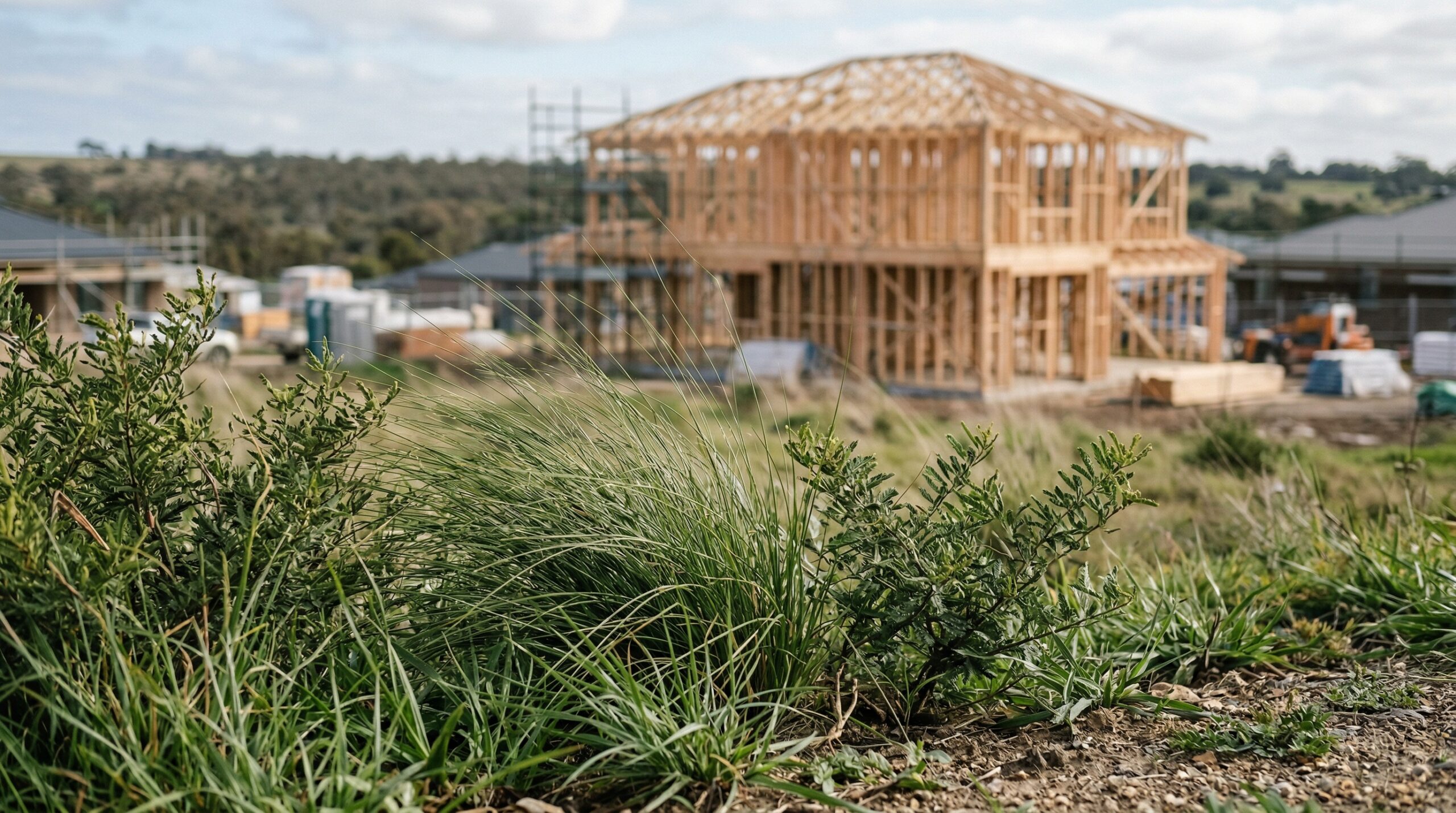
Construction is one of the most environmentally regulated industries in the world – and the obligations go well beyond what most site managers expect. This guide covers the key compliance areas for construction businesses, from earthworks consents and sediment control through to waste management, subcontractor responsibilities, and the documentation you need to demonstrate compliance.
-

Environmental compliance isn’t a once-a-year event. Learn which quarterly tasks every business should have in their compliance calendar – and download a free monthly template to put it into practice.
-
When an environmental incident occurs, the first 30 minutes are critical. This guide walks you through the complete response protocol – what counts as an incident, how to contain it, who to notify, what to document, and how to investigate the root cause. Includes a free one-page quick reference card for on-site use.
-

Most businesses know they have environmental obligations – but fewer have formally assessed where their real risks lie. An environmental risk assessment is the structured process that changes that: identifying what could go wrong, how likely it is, and how serious the consequences could be. Here’s what an ERA covers, why your business needs one,…
-

Received an audit notification? You have more time than you think – if you use it strategically. This practical 48-hour checklist walks you through exactly what to gather, what to check on-site, and how to brief your team so you walk into your environmental audit organised and confident. Plus: what to do if the audit…
-

Your stakeholders – clients, regulators, lenders, even your own staff – are increasingly expecting to see evidence of how your business manages its environmental impacts. But effective environmental performance communication doesn’t require a sustainability team or a corporate reporting budget. It requires clear data, an honest narrative, and an understanding of what different audiences actually…
-

Measuring environmental performance doesn’t require sophisticated software or environmental expertise. It requires tracking the right metrics consistently over time and using that data to drive practical improvements. This free Excel template gives you a complete system for monitoring energy, water, waste, and transport consumption at your business.
Insights
Stay up to date with practical environmental compliance guidance, industry insights, and real-world solutions for small and medium enterprises.
Our insights cover everything from getting started with environmental management to specific compliance requirements and best practices. We break down complex regulations into clear, actionable advice—helping you navigate environmental responsibilities without the hefty consultant fees.
New posts published regularly to help you build and maintain effective environmental management systems.